
How to Protect Your Coin Collection from Counterfeit Coins: Expert Tips and Strategies
Understanding the Risks of Counterfeit Coins in Coin Collecting
The Hidden Dangers Lurking in Your Coin Collection
Imagine this: you’re holding what you believe to be a rare 1889 Morgan Silver Dollar, the crown jewel of your collection. Its weight feels perfect, its luster dazzling under the light. But here’s the gut-wrenching twist—what if it’s a fake? Counterfeit coins are like wolves in sheep’s clothing, sneaking into collections and preying on unsuspecting enthusiasts. The world of coin collecting isn’t just about history and beauty; it’s also a battleground where forgers are getting alarmingly sophisticated. Some counterfeit coins are so convincing they can fool even seasoned collectors! They mimic everything from the patina to the intricate details. However, they often falter in areas like metal composition or edge lettering. To keep your collection safe, you need to stay one step ahead. Watch out for these red flags:- Strange weight differences compared to authentic coins.
- Edges that lack crispness or show unusual marks.
- Suspiciously low prices on rare coins—if it seems too good to be true, it probably is.
Effective Methods to Detect Counterfeit Coins
Spotting the Subtle Clues of Counterfeit Coins
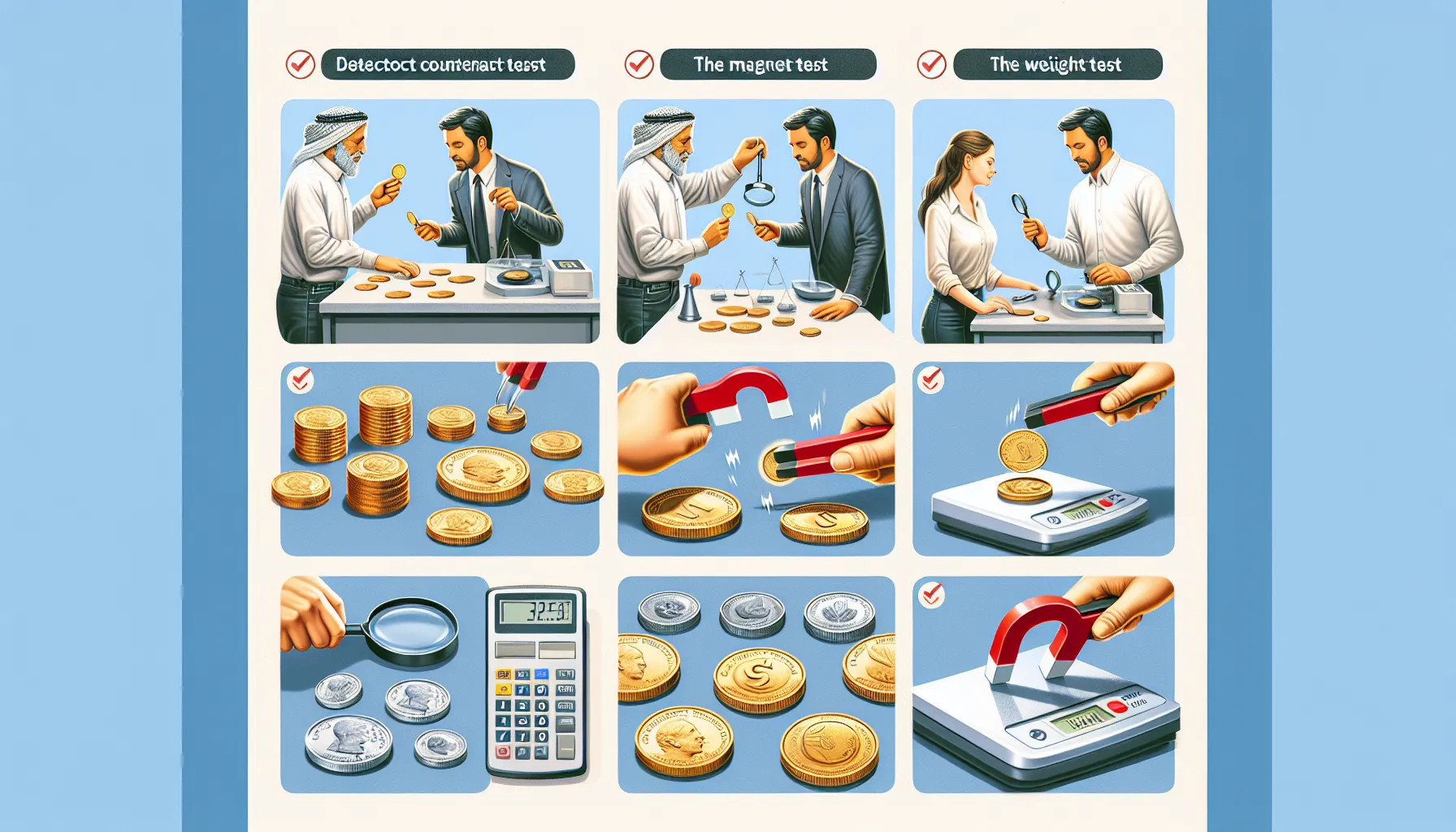
When it comes to counterfeit coins, the devil is in the details—literally. The tiniest imperfection can be the loudest alarm bell. Start by examining the coin’s surface with a keen eye. Look for irregularities like uneven edges, awkwardly placed lettering, or a finish that just doesn’t seem right. A genuine coin tells a story; a fake one struggles to get the plot straight. One game-changer is using a magnifying glass or a jeweler’s loupe. These tools bring out the fine details, helping you spot anomalies like mismatched fonts or poorly rendered designs. Another trick? Feel the coin. Run your fingers over it. A real coin feels solid and reassuring in your hand, while a counterfeit might feel oddly light or too smooth.- Weight matters: Genuine coins often have precise weight standards. Use a digital scale to measure.
- Sound test: Tap the coin gently on a hard surface. Real coins produce a clear, ringing tone; fakes sound dull.
Best Practices for Safeguarding Your Coin Collection
Spotting Counterfeit Coins Like a Pro
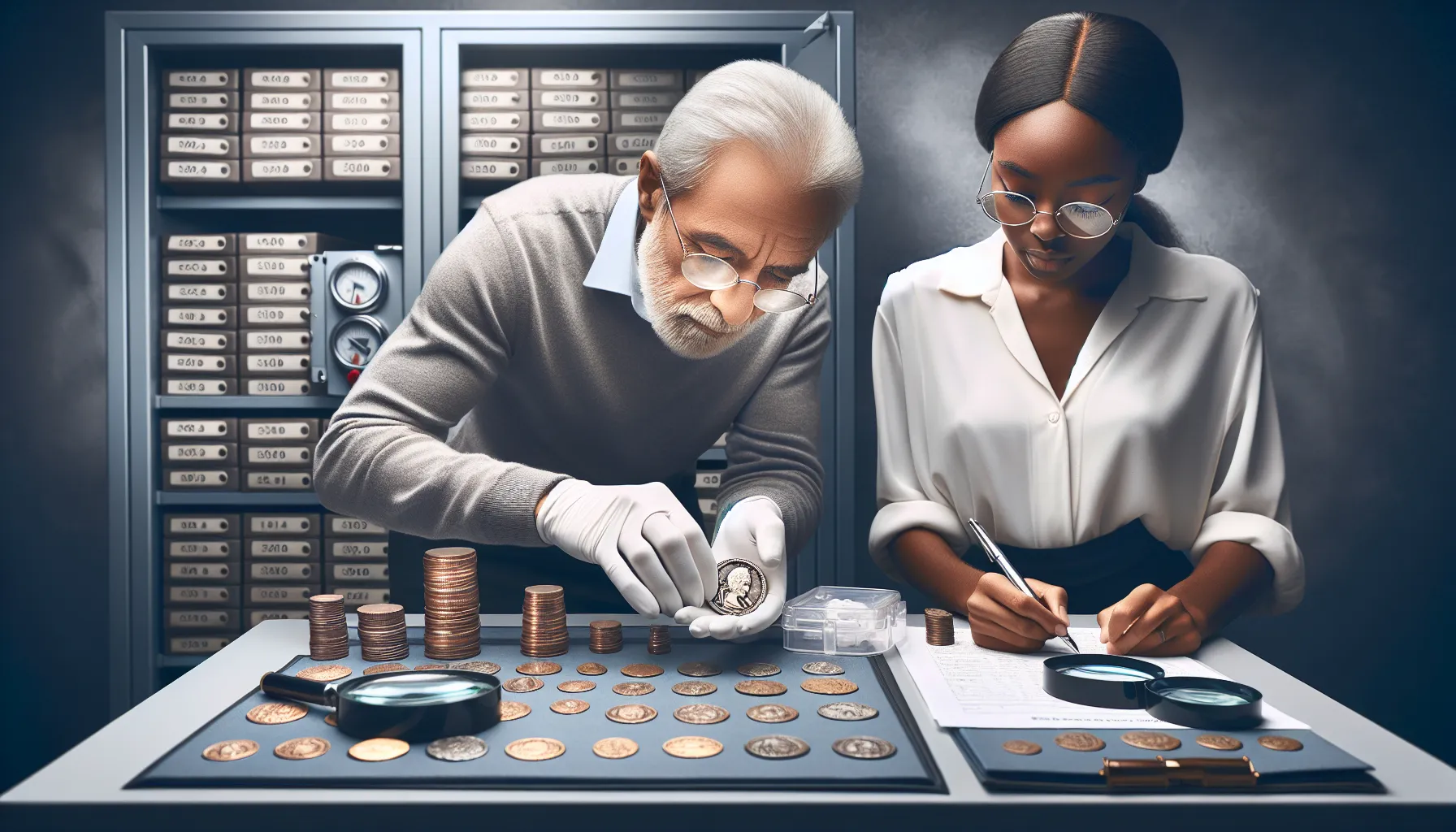
Imagine this: you’re holding what looks like a rare, shimmering coin—a true treasure for your collection. But is it genuine? Counterfeit coins can fool even the most seasoned collectors if you're not vigilant. To stay ahead, train your eyes and hands to pick up on subtle details that scream “fake.” Start by examining the coin’s weight. Genuine coins are crafted with precision, and their weight will match official standards. Invest in a high-quality digital scale to detect discrepancies of even the smallest fraction. Next, use a magnifying glass or loupe to scrutinize fine details—look at the edges, inscriptions, and relief. If something feels too soft, blurred, or irregular, it’s time to dig deeper. Here’s a quick checklist for hands-on inspection:- Magnetic test: Many counterfeit coins use magnetic metals. Genuine coins often don’t react to magnets.
- Sound test: Tap your coin gently against another. Real coins have a distinctive, clear ring.
Tools and Resources for Identifying Counterfeit Coins
Essential Tools Every Collector Should Have
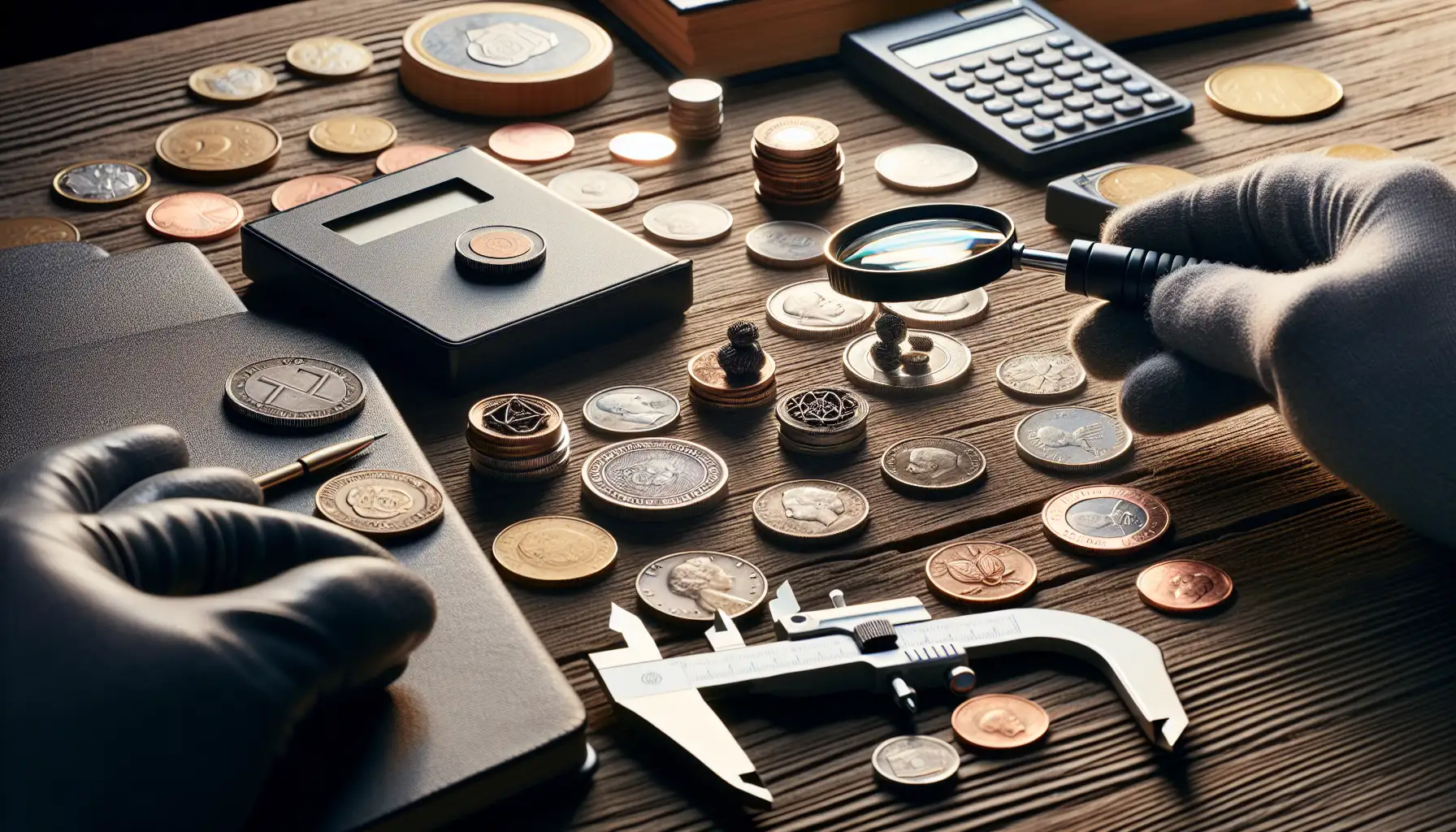
Imagine this: you’ve just acquired a rare coin you’ve been dreaming about for years. But wait—how do you know it’s the real deal? This is where having the right tools in your arsenal can make all the difference between triumph and heartbreak. Let’s dive into the must-haves for every savvy collector.- Magnifying Glass or Loupe: A high-quality magnifier (10x or higher) is like a detective’s magnifying glass. It helps you spot those sneaky imperfections or details counterfeiters often overlook.
- Digital Scale: Coins have specific weights, and even a tiny discrepancy can be a red flag. A precise scale can expose fakes in seconds.
- Ruler or Caliper: Measure your coin's diameter and thickness. Authentic coins adhere to strict standards; counterfeit ones? Not so much.
Online Databases: Your Digital Sidekick
Welcome to the future of coin collecting! Online resources like the Numismatic Guaranty Corporation (NGC) database or PCGS CoinFacts are treasure troves of information. Search for your coin, compare its specs, and view high-resolution images of verified examples. It’s like having an expert on speed dial.Steps to Take if You Discover a Counterfeit Coin
Stay Calm and Act Swiftly
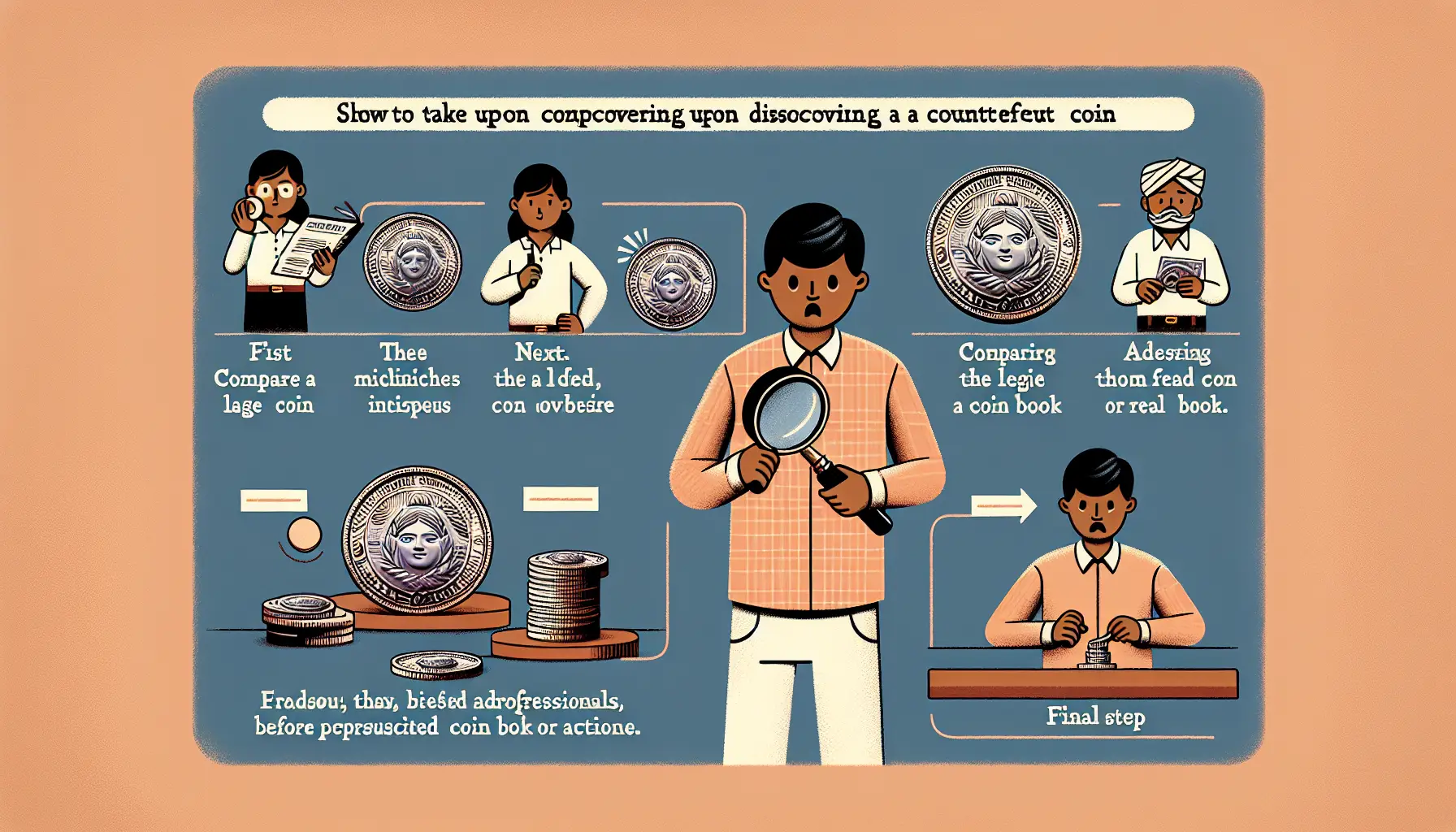
Discovering a counterfeit coin in your prized collection can feel like finding a crack in your favorite stained glass window. But don’t panic—this is your moment to act with precision and care. First, resist the urge to toss the coin aside or immediately call it out as fake. Misjudgments happen, even to seasoned collectors. Here’s what you should do:- Isolate the coin: Keep it separate from your authentic pieces. The last thing you want is confusion or cross-contamination.
- Document everything: Snap detailed photos of the coin—both sides, edges, and any identifying marks. Write down where and when you acquired it, along with any supporting documentation.
Latest news

The Power of Accessories: Elevating Your Fashion Game
Fashion is not just about the clothes we wear; it is also about the accessories we choose to complement our outfits. Accessories have the power to transform an ordinary look into an extraordinary one,...

Vintage Vibes: How To Rock Retro Fashion With A Modern Twist
Discover how to blend vintage fashion with modern style in our comprehensive guide. Learn tips for incorporating retro pieces, find shopping recommendations, and explore sustainable fashion brands. Re...

AI-Driven Outfit Personalization: Perfect Matches for Every Body Type
This comprehensive article explores the transformative power of AI-driven personalization in fashion, detailing how algorithms analyze body types, preferences, and proportions to curate tailored outfi...
Mastering Capsule Wardrobe Creation with Mobile Apps: Your Ultimate Guide
Unlock the secrets of a streamlined, stylish wardrobe with this comprehensive guide on capsule wardrobes and the transformative power of mobile apps. Learn how to curate a minimalist, high-quality col...

How to Identify Forged Coins in Global Auction Marketplaces: A Comprehensive Guide
This comprehensive guide explores the prevalence of forged coins in global auctions and provides essential tips to identify counterfeits. It highlights common forgeries like gold sovereigns and ancien...
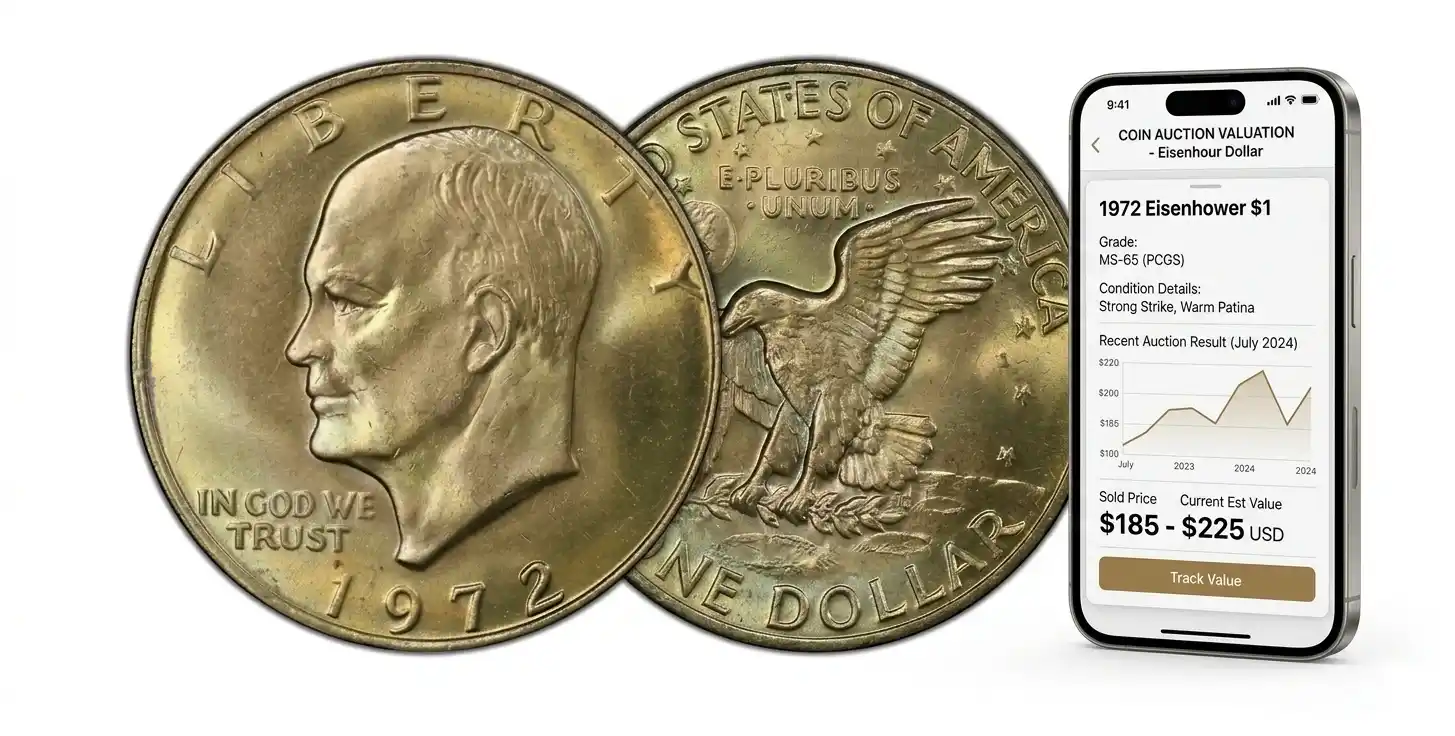
A Common-Looking 1972 Dollar Coin Can Still Surprise Collectors
Comprehensive technical review of 1972 Eisenhower dollar coins covering mint types, error diagnostics, and investment value trends....